
Magnesium is a mineral and one of the essential nutrients: it's vital for the body and must come from food, because the body can't produce it itself.
"Muscle cramps? Then you must be low on magnesium!"
Pretty much everyone has heard this, but is it actually true? What exactly is magnesium, and where does our body get it from?
Magnesium is a mineral and one of the essential nutrients, which means it is vital for the body and has to be supplied through our food, since the body cannot produce it itself.
What does magnesium do?
Magnesium has many different jobs in our body.
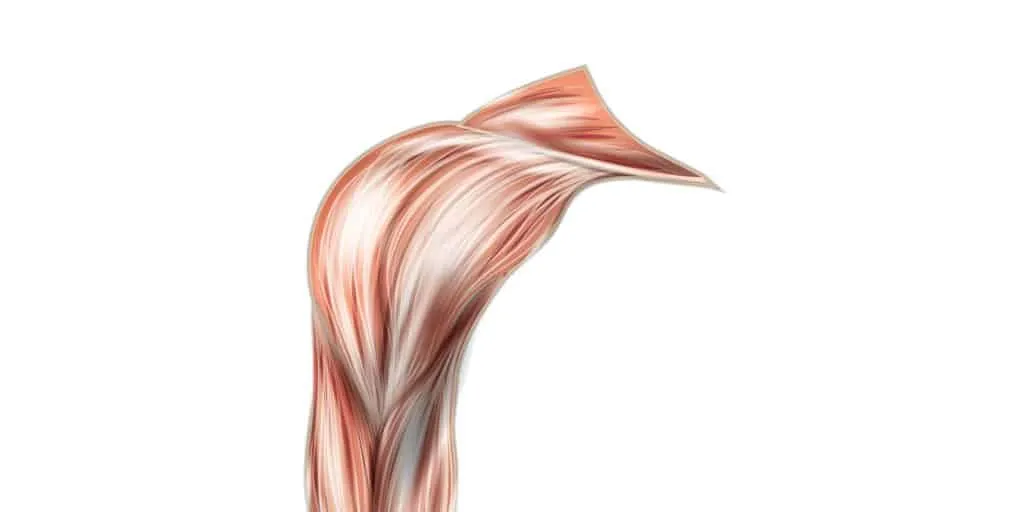
For one thing, it is the natural counterpart of calcium. Put simply, calcium makes the muscle contract, while magnesium allows the muscle to relax again. So if the calcium concentration in the muscle is too high, this can lead to tension and cramps. Magnesium stabilises the cell membrane and thus ensures that less calcium can flow in. In this way, magnesium lowers the excitability of muscle cells and supports healthy muscle function.
Magnesium also contributes to normal energy metabolism. Magnesium activates adenosine triphosphate, better known as ATP. In combination with magnesium, ATP can unleash its full driving force and the body becomes more efficient. This is also why athletes who suffered from a magnesium deficiency can perform better again once their magnesium levels have been normalised.
But that's not all, because magnesium also plays an important role for our bones.
It's no coincidence that magnesium is also known as "bone material". Around 60% of the magnesium in our body is stored in the bones. Alongside vitamin D3, phosphorus and calcium, it is important for building bones and teeth. If the body gets too little magnesium, it draws on its stores. As the bones are the largest magnesium stores, they suffer particularly. This can lead to reduced bone density and an increased risk of osteoporosis.
What happens with a magnesium deficiency?
Apart from the roughly 60% of magnesium that is stored in the bones, only approx. 1% of the total amount of magnesium is bound in the blood, as the rest is distributed across our muscles and the various organs and tissues. Since the body draws magnesium from its stores (i.e. mainly the bones) when there is a deficiency, an adequate magnesium level in the blood does not necessarily mean that the body actually has enough magnesium.
A drastic magnesium deficiency is rather rare with a healthy, balanced diet. So what can cause a magnesium deficiency?
- Stress (over a longer period)
- intense physical exertion (and the heavy sweating that comes with it) and
- illnesses (e.g. diarrhoeal diseases)
.. can lead to a magnesium deficiency.
The exact symptoms of a magnesium deficiency are often hard to pin down. In general, however, it can cause trembling, constipation, circulatory problems, muscle cramps, tiredness and headaches.
Do I have to take tablets to cover my daily requirement?
No, of course not. In exceptional cases magnesium tablets can make sense, but as a rule they are not needed. A healthy adult needs around 300 to 400 mg of magnesium a day.
Plant-based foods in particular contain a lot of magnesium, e.g. nuts, wholegrain products, pulses and vegetables. Just 200g of wholegrain bread contains 300 mg of magnesium and thus almost covers the daily requirement.
Among the foods richest in magnesium are cocoa powder (420 mg/100g), cashew nuts (267mg/100g), oat flakes (139mg/100g) and beans (132mg/100g).
So even dark chocolate is a good source of magnesium and can happily be eaten now and then; it also contains less sugar than milk chocolate! (but careful, still enjoy it in moderation 😉 )
A varied diet with plenty of vegetables and wholegrain products therefore usually ensures an adequate magnesium intake. You should also avoid alcohol, as even 0.5 per mille has a dehydrating effect, so more magnesium is excreted.
Magnesium and muscle cramps
In clinical studies, an improvement in the duration and frequency of muscle cramps through additional magnesium intake (when the daily requirement is already covered by food) could in fact not be reliably proven.
Of course, the daily requirement of around 300 to 400 mg should be covered through your diet, but taking more than that often makes little sense. Exceptions are pregnant women and people with diabetes, who have a higher requirement.
If muscle cramps occur frequently, however, a magnesium deficiency may well be the reason, which is why you should pay extra attention to a balanced and varied diet. Especially if you have been under heavy stress for a long time, often sweat heavily or suffer from digestive problems. Perhaps our body simply needs a break now and then, and we should give it one. Sadly, relaxation and recovery often get far too little room in our everyday lives.
If you have serious problems and frequent muscle cramps, you should of course see a doctor to rule out any illnesses.
In a nutshell
Here are the most important points at a glance:
Positive effects on our magnesium levels
- Vegetables
- Wholegrain products
- Pulses
- Cocoa powder
- dark chocolate now and then
Negative effects on our magnesium levels
- Alcohol
- Stress
- Digestive problems
- frequent, heavy sweating
- an unhealthy, monotonous diet
So it's actually not that hard to get enough magnesium and prevent muscle cramps!
Sources + products
http://www.magnesium-ratgeber.de/
http://www.medizin-transparent.at/magnesium-gegen-muskelkraempfe
Photo: Magnesium citrate by Vitamaze